
mirror glass
For tradespeople and technicians, precision is key. A variety of specialized gauges, such as the thread measuring gauge , differential gauge , and metal marking gauge , ensure that every measurement and marking is exact. This guide will highlight the features and benefits of these essential tools, offering insights into how they enhance accuracy in various applications. Understanding the Importance of the Thread Measuring Gauge A thread measuring gauge is indispensable when checking thread pitches and angles in bolts, nuts, and screws. This gauge is designed to verify thread standards quickly and accurately, whether in a factory setting or on-site work. By using a thread measuring gauge, technicians can avoid mismatches and ensure a secure fit, which is crucial for structural integrity in construction, automotive, and mechanical applications. Applications and Benefits of the Differential Gauge In systems that require pressure measurement, the differential gauge is an essential tool. Unlike standard pressure gauges, differential gauges measure the difference in pressure between two points, making it ideal for monitoring fluid flow in pipes, filters, or HVAC systems. Using a differential gauge improves system performance, helping detect blockages or pressure drops that may indicate maintenance needs, ensuring operational efficiency and safety. Precision Marking with the Metal Marking Gauge For anyone working with metal, a metal marking gauge is a tool that enhances accuracy in layout and cutting tasks. This gauge allows for precise lines and markings on metal surfaces, ensuring that each measurement is accurate before cutting, welding, or drilling. The metal marking gauge is commonly used in metalworking, fabrication, and construction to create exact markings, ultimately saving time and reducing errors. Choosing the Right Gauge for Your Needs When selecting a gauge, consider the specific requirements of your work. For threaded components, a thread measuring gauge is ideal, while fluid and pressure systems will benefit from a differential gauge . Meanwhile, a metal marking gauge is best for precise markings on metal surfaces. Choosing the correct gauge can streamline your workflow, improve accuracy, and enhance overall efficiency in your projects. Maintenance Tips for Longevity and Accuracy To ensure these tools perform well over time, proper maintenance is essential. For a thread measuring gauge , clean threads after each use to prevent buildup that could impact readings. For a differential gauge , regularly inspect connections and recalibrate as needed. Keep your metal marking gauge sharp and clean for consistent markings. Regular upkeep of each gauge not only extends its lifespan but also guarantees reliable performance for all future tasks. In conclusion, tools like the thread measuring gauge , differential gauge , and metal marking gauge are critical for achieving precision and efficiency in a range of industrial and craft applications. By selecting the right tool for each task and maintaining it well, you’ll ensure accurate results every time.
about
mirror glass
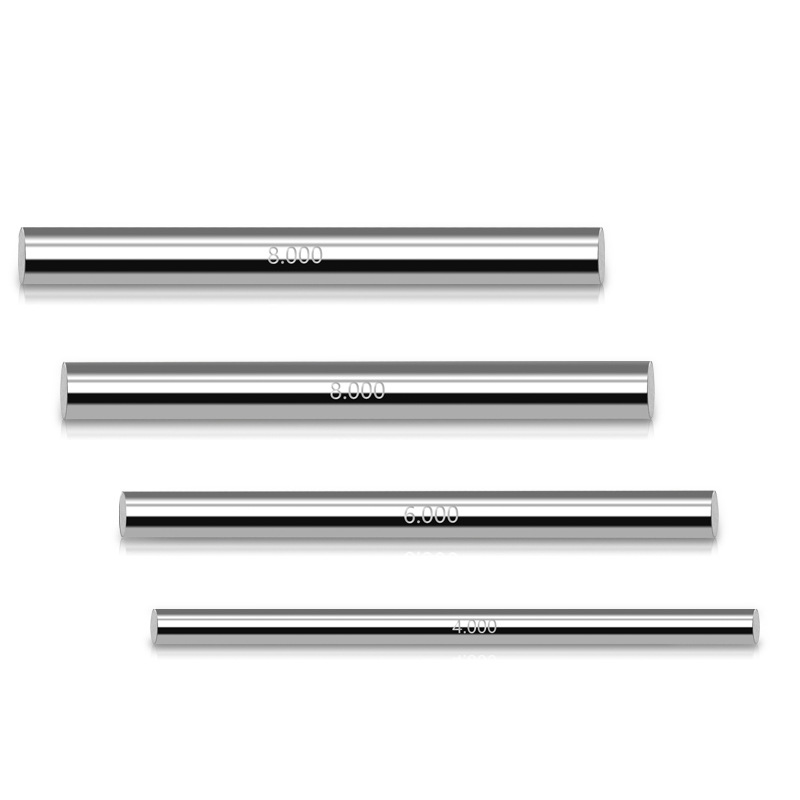
Understanding Standard Pin Gauges Purpose and Applications Standard pin gauges are essential precision tools widely used in various industries to measure the size of holes and other forms of workpieces. These gauges come in different sizes and are manufactured to meet precise dimensions, allowing for an accurate assessment of a component's size and fit. The depth of understanding the importance of pin gauges is crucial for engineers, machinists, and quality control personnel. What are Standard Pin Gauges? Standard pin gauges are cylindrical tools made from high-quality materials, typically hardened steel, to ensure durability and longevity. These pins are produced in a range of diameters that correspond to specific tolerances dictated by industry standards. Each pin gauge is designed to fit precisely into holes or feature openings of specific sizes, providing a reliable means of measurement. Purpose and Functionality The primary function of standard pin gauges is to verify the tolerance and dimensions of holes in manufactured parts. In applications where precision is paramount, the gauges play a critical role . They can be used for checking the size of an existing hole (acceptance testing) as well as for setting up machines that rely on exact specifications. Pin gauges help ensure that manufacturing processes yield parts that meet the required standards, needing less rework and reducing waste. The use of calibration standards also helps maintain the quality of these gauges. Manufacturers often adhere to specifications mandated by organizations such as ISO (International Organization for Standardization) and ANSI (American National Standards Institute), ensuring that the pin gauges provide universally understood measurements. standard pin gauge Applications Across Industries Standard pin gauges are utilized across various industries, including automotive, aerospace, and manufacturing. In the automotive sector, for instance, they are crucial for ensuring that components like engine cylinders and gear shafts are machined to exact tolerances. In the aerospace industry, pin gauges help verify the dimensions of critical components, ensuring the safe operation of aircraft. Additionally, standard pin gauges find applications in medical device manufacturing, where precision is critical for ensuring the functionality and safety of devices such as surgical instruments and diagnostic equipment. The widespread use of these gauges underscores their importance in maintaining high standards of quality and performance. Conclusion In conclusion, standard pin gauges serve as a vital tool in the arsenal of quality assurance practices. Their accuracy and reliability contribute significantly to the precision required in modern manufacturing processes. By facilitating the accurate measurement of hole dimensions, they support the production of high-quality components that adhere to stringent industry specifications. Understanding the intricacies of standard pin gauges is essential for professionals in engineering and manufacturing fields. As technology evolves and industries demand higher standards of precision, the role of pin gauges will undoubtedly continue to grow, simplifying quality control and enabling the production of flawlessly engineered parts.
-

High quality industrial productsagement

High quality industrial products
View Details -

Meet the diverse needs of customers

Meet the diverse needs of customers
View Details -

Strict quality control

Strict quality control
View Details -

Top raw materials

Top raw materials
View Details -

Trusted supplier

Trusted supplier
View Details
Our application

news and information
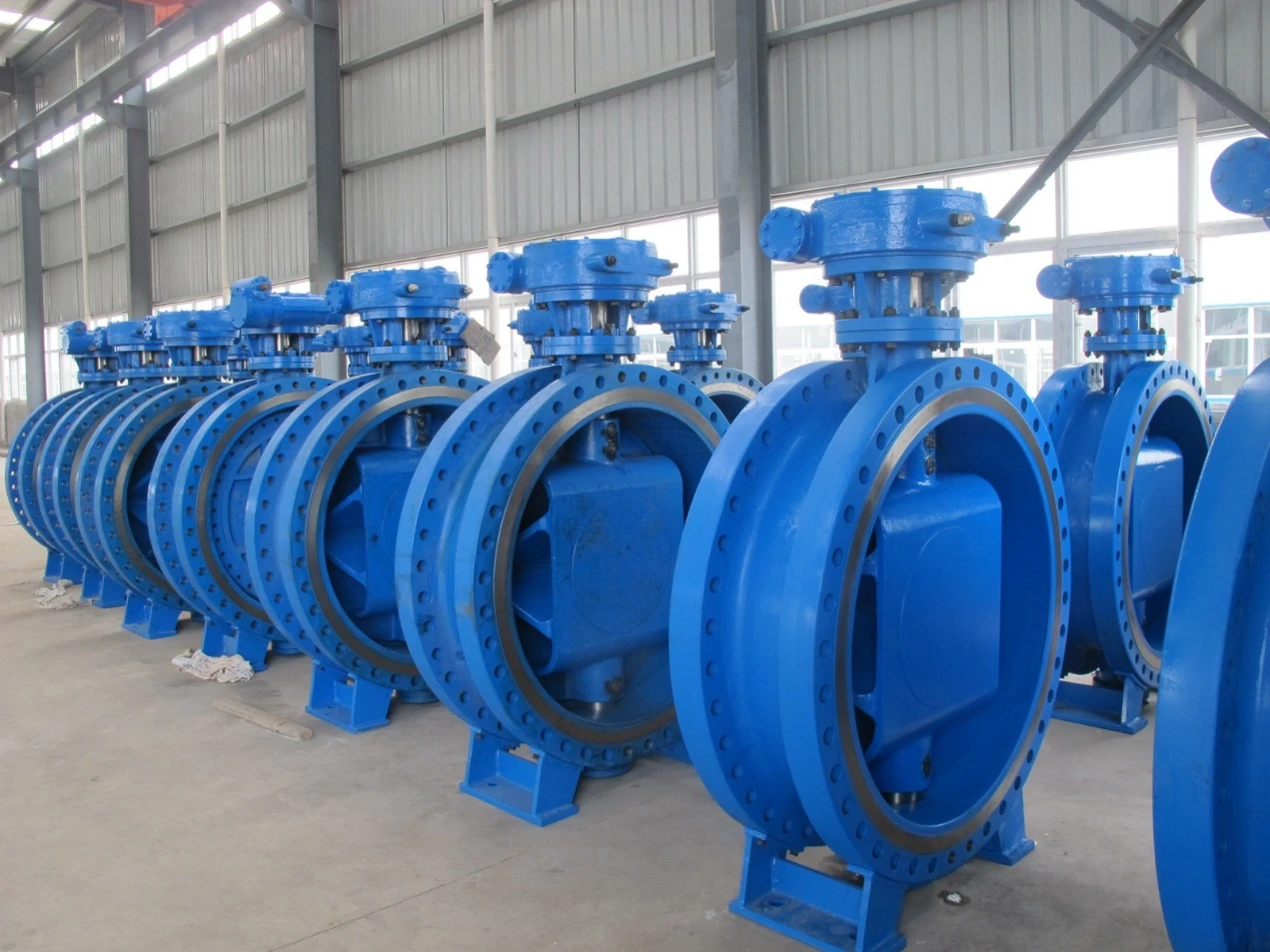
vratový ventil z oceli
Ocelové klapky Klíčový prvek v průmyslových aplikacích Ocelové klapky, známé také jako klapkové vent
water check valve 3 4
Understanding Water Check Valves The Importance of Models 3 and 4 Water check valves are essential c
working thread plug gage
Understanding Working Thread Plug Gages Importance and Applications In the world of manufacturing an
 English